
A construction project can look perfect on paper. Plans are clear, measurements are exact, and everything seems ready to build. But once work starts on-site, things often shift. This is where many developers in North Las Vegas and similar fast-growing areas run into problems. The issue is not always the design. It is how that design gets placed on the ground. That gap is where money gets lost.
A construction survey plays a key role in closing that gap. It helps make sure what is drawn is what actually gets built. Without it, even small mistakes in placement can turn into costly fixes later in the project.
Where cost problems really begin on a job site
Most cost overruns do not happen all at once. They build up slowly. At the start, a small layout error might not seem serious. A structure could be placed a few inches off. A utility line might shift slightly from its intended position. At first, nothing looks wrong.
However, once multiple parts of a project depend on that first placement, the problem spreads. Concrete gets poured in the wrong spot. Pipes no longer align. Drainage no longer flows as designed. Each correction adds time, labor, and material costs.
Because of this, developers often end up paying for work twice. First for the mistake, then for the fix.
What field misplacement actually means
Field misplacement happens when the real-world placement of structures does not match the plan. It is not always caused by bad design. In fact, the design can be correct. The problem happens during translation from drawings to the physical site.
This can happen for several reasons. Sometimes equipment is not set up correctly. Other times, control points are not verified. In some cases, crews may interpret plans differently. Even small misreadings can move a structure off its intended position.
In flat areas like parts of North Las Vegas, these small shifts can still create large downstream effects. When multiple buildings or utilities depend on alignment, one early error spreads quickly.
How small mistakes turn into big expenses
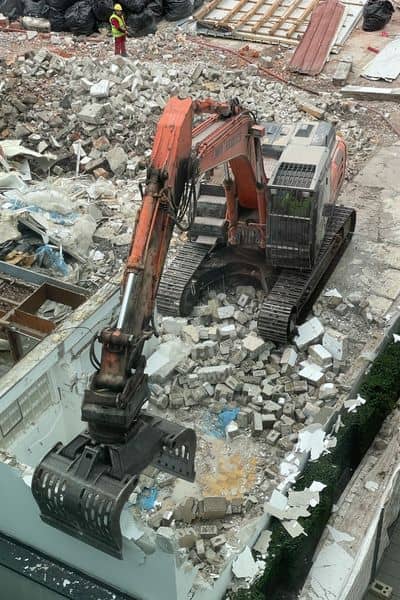
At first, a placement error does not seem like a big deal. A crew might adjust a stake or move a marker, and work keeps moving without much interruption. But once construction picks up speed, those small fixes become harder to manage.
If a foundation gets poured in the wrong spot, it cannot simply be shifted. It has to be broken out, removed, and redone. That means breaking concrete, hauling debris off-site, and starting again from scratch. When underground utilities are installed in the wrong location, crews often need to dig them back up and reroute everything, which adds more machines, more coordination, and more time on site.
Costs start to build in ways that are not always obvious right away. Workers end up repeating tasks they already finished. Equipment sits idle while teams correct issues instead of moving forward. On larger projects, one mistake in a single area can slow down other parts of the site that depend on it, even if those areas are not directly connected at first.
This is usually how construction cost overruns from field mistakes start to show up. It does not feel dramatic in the beginning. It builds quietly, through small corrections that stack up into real money once rework and lost time enter the picture.
How a construction survey prevents these issues
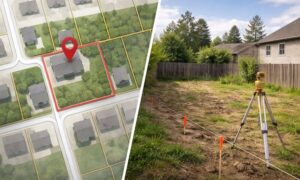
A construction survey helps stop these problems before they reach the field. It ensures that every point on the site matches the design plan as closely as possible.
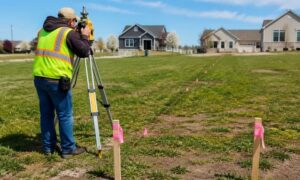
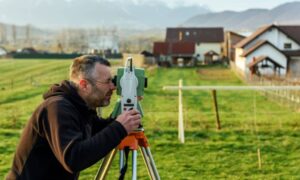
Survey teams set control points first. These act as anchors for the entire project. From there, they guide where structures, roads, and utilities should go. This reduces guesswork during layout work.
As construction continues, surveys also check placement again. If something starts to drift off course, it can be corrected early. This step is important because early corrections cost far less than fixing completed work.
In simple terms, a construction survey keeps the project aligned from start to finish. It connects the design on paper with the real ground where the work happens.
Why developers often overlook this risk
Many developers focus on materials, labor, and timelines. These are easy to track. Field accuracy is harder to see, so it is often assumed to be handled automatically.
However, construction sites involve many moving parts. Different crews may handle grading, utilities, and structures. Without a strong survey system in place, each group may rely on slightly different interpretations of the plan.
This is where problems begin. Even if each team does their job correctly, small differences between them can create misalignment. Developers may not notice until costs start increasing.
Another issue is speed. Fast-moving projects try to save time by skipping verification steps. While this may seem efficient at first, it often leads to rework later, which slows everything down.
Why this matters in places like North Las Vegas
In growing areas like North Las Vegas, construction is moving quickly. New residential and commercial projects often run at the same time. This creates pressure to build faster and move from one phase to the next without delay.
However, fast construction increases the chance of field errors. When multiple crews are working in different areas of the same site, coordination becomes harder. If one layout is off, it can affect surrounding work.
The local ground conditions also matter. Many sites require grading before construction begins. If that grading is not matched correctly to the plan, even small elevation differences can affect drainage, foundation height, and access points.
Because of these factors, construction surveys become even more important in this type of environment. They reduce uncertainty and help keep the project stable as it grows.
The real value for developers
For developers, the goal is not just to get a project built. It is to finish it without losing money to avoidable mistakes along the way. A construction survey helps with that by keeping things accurate during the most sensitive stages of work.
Instead of waiting for problems to show up in the field, it helps catch issues early, before they turn into rework. That changes how the whole project runs. Less rework means tighter control over costs. Better alignment between the plan and the site also means fewer surprises during inspections and later stages of construction.
That is why many developers bring in a local construction survey team when they want to keep everything aligned from the start. Over time, that kind of consistency leads to smoother delivery and more predictable spending throughout the build.
Closing thought
Construction projects rarely fail because of one major mistake. More often, they fail because of small misplacements that were not caught early. A construction survey helps control that risk by keeping the project aligned from the ground up. For developers, that alignment often makes the difference between staying on budget and dealing with unexpected overruns.