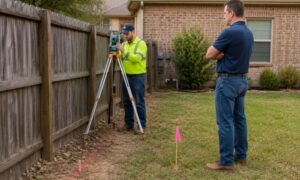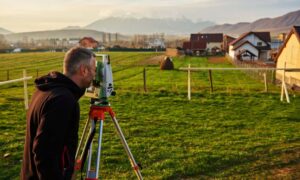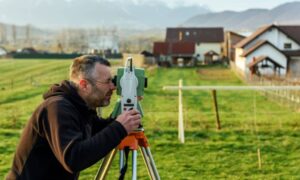
If you own land, your lot may look flat at first. However, once it rains, you may notice water moving in ways you did not expect. In some cases, it collects near where you plan to build. In others, it cuts across the land and creates small channels. Because of this, many property owners realize too late that they did not fully understand their land. This is where a topo survey becomes so important.
A topo survey shows how your land rises and falls. More importantly, it helps you see how water will move before you build anything. When you understand this early, you can avoid costly problems and make better decisions from the start. For many property owners, this is also the point where talking things through with a land surveyor in your area starts to make a lot more sense.
What a Topo Survey Is Really Showing You
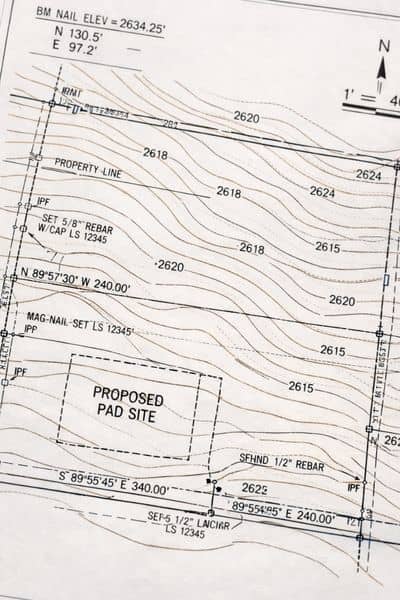
At first glance, a topo survey may look like a mix of lines and numbers. However, each part has a clear purpose. The most important feature is the contour lines. These lines connect points that sit at the same height on your land.
When the lines sit close together, the ground is steeper. When they spread out, the land is more level. Because of this pattern, you can start to “see” the shape of your property just by looking at the spacing.
You will also notice elevation numbers placed along the lines. These numbers tell you how high or low certain areas are. Even small changes matter. In Pahrump, a few inches of difference can change how water flows across your lot.
So, while the land may look flat in person, the topo survey often reveals a different story.
How Water Moves Across Your Property
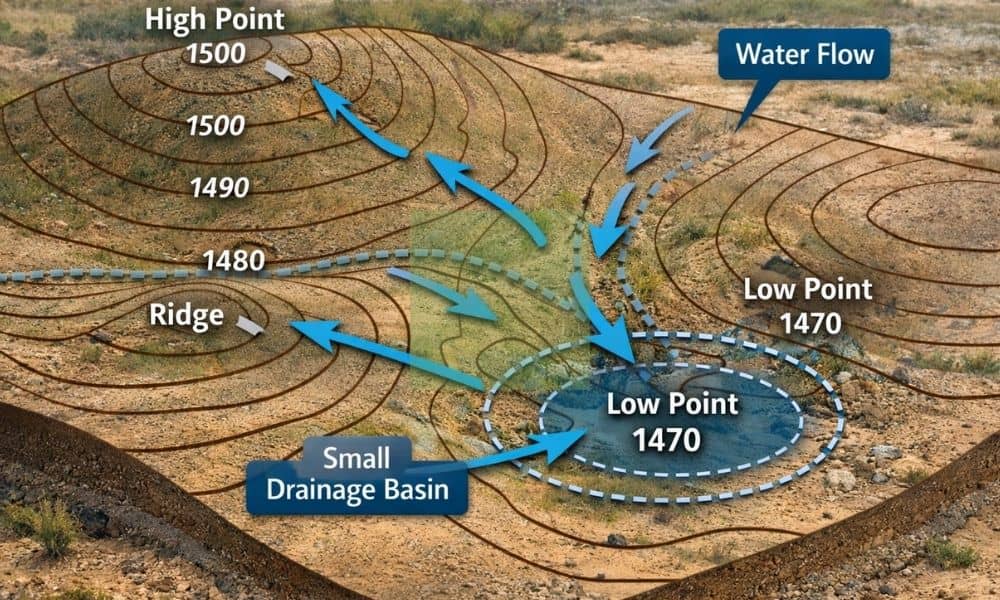
Once you understand the lines, the next step is to see how water travels. Water always flows downhill. That part is simple. However, the way it moves across your land depends on the shape shown in the topo survey.
Instead of following the contour lines, water crosses them. It moves from higher numbers to lower ones. Because of this, you can trace the likely path of water just by looking at the slope. As you get more comfortable with how to read a topo survey, it becomes easier to picture where that water will actually go once it hits your property.
As you study the map, you may notice areas where the lines form small loops. These spots often mark low points. Water tends to collect there, especially after a storm. On the other hand, higher areas push water away.
In Pahrump, this matters even more. Rain may not come often, but when it does, it can move fast. So, a small dip in the land can quickly turn into a problem area if you are not careful.
Placing Your Home Where It Works With the Land
After you understand how water moves, you can make better choices about where to place your home. This is one of the biggest advantages of using a topo survey.
A good house pad sits on slightly higher ground. This helps keep water moving away from the structure instead of toward it. Even a small rise can improve how your property drains over time.
At the same time, it is important to avoid natural flow paths. If water already travels through a certain area, building there can lead to long-term issues. So, instead of forcing the land to change, it is often better to work with what is already there.
This approach also helps control costs. When you place your home in the right spot, you reduce the need for heavy grading. As a result, you save both time and money while creating a more stable foundation.
Designing a Driveway That Supports Drainage
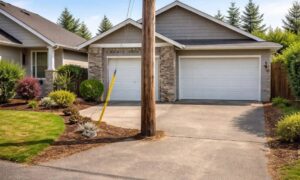
While the house gets most of the attention, the driveway also plays a key role in how your property functions. In fact, a poorly placed driveway can change how water moves across your land.
A topo survey helps you avoid that.
When you look at the slope, you can see how steep the driveway will be. If it is too steep, it becomes hard to use. If it is too flat, water may sit on it instead of draining away. Because of this, finding the right balance is important.
You also want to avoid directing water toward your home. In some cases, a driveway can act like a channel and guide water straight to the structure. However, when you align it with the natural slope, water moves away instead.
So, with the help of a topo survey, you can design a driveway that not only works well but also protects your property.
Mistakes That Come From Misreading the Land
Even with a topo survey in hand, problems can still happen when the details are overlooked. Many issues come from simple assumptions.
For example, some property owners believe their land is completely flat. Because of that, they do not pay close attention to elevation changes. Later, they deal with water collecting in the wrong places.
Others focus only on one part of the lot. However, water does not stay in one area. It travels across the land, which means every section connects in some way.
In many cases, these mistakes only become clear after a storm. By then, fixing the issue often costs more than doing it right the first time.
Why This Matters More in Pahrump
Pahrump has its own set of challenges. The land may appear simple, but it often hides subtle slopes that affect drainage.
In addition, rainfall in this area can come suddenly. When it does, water moves quickly across open land. Because many properties are large, water has more room to travel and collect.
This makes it even more important to understand your topo survey. When you take the time to read it properly, you gain a clearer picture of how your land behaves in real conditions.
Seeing the Bigger Picture Before You Build
A topo survey is not just a technical document. It is a tool that helps you make smarter choices.
When you understand what it shows, you can plan your drainage, place your home wisely, and design your driveway with confidence. Each of these decisions works together to create a property that functions well over time.
So, before you move forward with any plans, take a closer look at your topo survey. The more you understand it, the better your results will be.
In the end, it is not just about reading lines on paper. It is about seeing how your land really works—and using that knowledge to build the right way from the start.