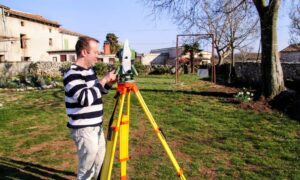

If you follow the land surveying world even a little, you may have noticed a sudden shift in tone. Over the last few days, surveyors across Reddit started sharing reactions to the Principles & Practice of Surveying (PS) exam. Many of them felt surprised by how much attention the alta survey received. That reaction matters, even if you never plan to take the exam. When licensing tests change, they usually reflect bigger risks in the real world. And right now, those risks point straight to how ALTA surveys get used, reviewed, and trusted.
This moment is not about exam prep. Instead, it is about what the exam focus reveals about today’s land deals, title reviews, and development projects.
Why PS exam reactions caught attention so quickly
The PS exam represents a major step for surveyors. It tests what the profession considers most important today. So when recent exam takers went online to compare notes, many people listened. Several posts mentioned deeper questions tied to ALTA standards, flood-related data, and real-world judgment calls. That surprised many test takers.
Because of that, a simple question followed: why now?
Exams rarely change by accident. They shift when patterns change in the field. In this case, the message seems clear. ALTA surveys now sit at the center of more disputes, more delays, and more legal pressure than before.
What exam emphasis says about real-world risk

Licensing exams highlight where mistakes hurt the most. They focus on areas where errors cost time, money, or trust. So when ALTA-related topics take up more space, it signals rising exposure.
Over the last few years, land transactions have grown more complex. Development happens faster. Properties change hands more often. At the same time, tolerance for errors has dropped. Title companies, lenders, and legal teams want clarity from day one.
As a result, the ALTA survey has become more than a formality. It now acts as a decision tool. When it lacks clarity, problems follow. The exam emphasis reflects that pressure.
The growing gap between paperwork and understanding
Here is where things get tricky. Many people believe that ordering an ALTA survey automatically removes risk. That belief creates problems. The survey itself does not create certainty. Instead, the way professionals interpret and apply standards creates value.
Recent exam reactions exposed this gap. Some surveyors expected lighter coverage. Instead, they faced scenarios that required judgment, not memorization. That shift mirrors what happens during real deals.
Two ALTA surveys may meet standards on paper. Yet, they may lead to very different outcomes. One may raise red flags early. The other may miss issues until closing approaches. That difference now matters more than ever.
Why ALTA surveys face more scrutiny today
Several forces push this change forward.
First, development pressure continues to rise. Projects stack more value onto smaller sites. Because of that, small details now carry bigger consequences.
Second, coordination has increased. Survey data now flows between surveyors, title teams, engineers, and attorneys. If one link breaks, everyone feels it.
Third, disputes have grown more expensive. When conflicts arise late, fixes cost more. That reality pushes professionals to catch issues earlier.
Together, these pressures place the ALTA survey under a stronger spotlight. People no longer treat it as background paperwork. Instead, they see it as a risk checkpoint.
Why this matters to buyers and developers
Even if you never read a licensing exam question, this shift affects you.
When surveyors face higher standards, clients benefit. Better scrutiny leads to fewer surprises. However, it also means that not all ALTA surveys deliver equal value.
Clients often assume all surveys follow the same path. In reality, judgment shapes outcomes. A surveyor who understands how standards apply in complex situations can surface issues earlier. That clarity helps projects move forward with confidence.
On the other hand, a survey prepared with a narrow mindset may meet minimum rules but fail to protect the deal. That risk now sits front and center.
What clients should think about before ordering an ALTA survey
Instead of focusing on documents alone, clients should focus on approach.
Ask how surveyors handle gray areas. Ask how they coordinate with title teams. Ask how they flag potential conflicts before they grow.
These questions do not demand technical knowledge. They focus on process and experience. The recent exam reactions show that the profession values those skills more than ever.
As expectations rise, mindset matters just as much as equipment or software.
Why this moment goes beyond a single exam
The Reddit discussions may fade. However, the signal remains. The PS exam highlighted where the profession feels pressure. That pressure points toward ALTA surveys and how people rely on them.
This does not mean standards changed overnight. Instead, it means expectations are tightened. Clients, lenders, and regulators want fewer assumptions and more clarity.
In many ways, the exam simply caught up to the market. Surveyors who already worked this way felt prepared. Others felt surprised.
What increased scrutiny means for the future
Looking ahead, ALTA surveys will continue to shape project decisions. As scrutiny grows, experience will matter more. Communication will matter more. Judgment will matter more.
For clients, this trend offers reassurance. When standards tighten, quality rises. However, it also requires choosing professionals carefully.
The takeaway stays simple. An ALTA survey does not just document land. It reflects how risk gets managed. Recent PS exam reactions shine a light on that truth.
Final thoughts
The recent attention around the PS exam revealed more than exam difficulty. It exposed how critical ALTA surveys have become in today’s land market. As scrutiny increases, clarity improves. That benefits everyone involved.
Whether you buy, build, or finance property, this moment matters. Understanding why ALTA surveys now sit under a brighter spotlight helps you make smarter choices early. And in land deals, early clarity always wins.