In Las Vegas, construction projects move fast—until they don’t. Financing pauses, permit issues, contractor changes, or market shifts can bring a project to a full stop. When that happens, many property owners assume they can simply pick up where they left off. However, that assumption often leads to expensive surprises. One of the most common problems shows up before construction even restarts: the original topographic survey no longer matches the site. Even though the project paused, the land did not. As a result, developers are being forced to pay for survey re-checks they didn’t expect.
Understanding why this happens can save time, money, and a lot of frustration.
Construction Stops, but the Land Keeps Changing
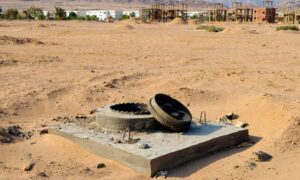
When a development stalls, activity on the site may stop completely. Trucks leave. Equipment gets pulled out. Fencing stays in place. From the outside, everything looks frozen in time.
But land does not work that way.
Over weeks or months, small changes add up. Rainwater shifts soil. Temporary grading settles. Erosion control measures move. Nearby construction alters drainage patterns. Even wind and dust can reshape exposed ground in subtle ways.
Because of this, the site you restart with often looks similar but measures differently. That difference is where trouble begins.
Why a Topographic Survey Can Become Outdated
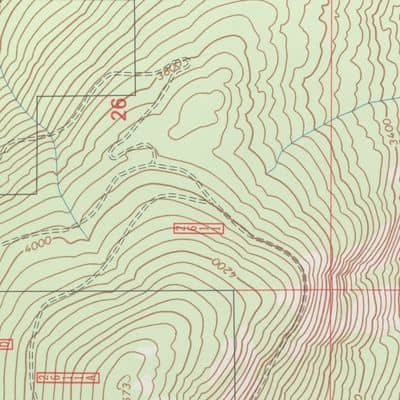
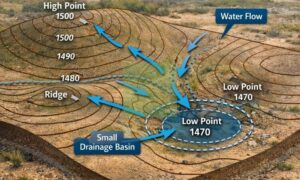
A topographic survey captures elevation, slopes, and surface features at a specific moment. It provides a snapshot, not a lifetime guarantee. Once time passes or conditions change, that snapshot loses accuracy.
In Las Vegas, this happens faster than many owners expect. Desert storms can reroute drainage paths in a single afternoon. Temporary access roads compress soil. Partial grading changes elevation by inches, which still matters for design.
As a result, engineers and municipalities may reject plans based on older data. They need confidence that the design matches the land as it exists today, not how it looked months ago.
The Hidden Cost of Restarting With Old Data
At first, skipping a survey re-check feels like a way to save money. After all, you already paid for a topographic survey once. Why pay again?
Unfortunately, this decision often costs far more in the long run.
Outdated survey data can trigger plan revisions after submission. Engineers may need to redesign drainage or grading. Contractors may discover conflicts once work resumes. Inspectors may flag mismatches between plans and reality.
Each issue causes delays, change orders, and coordination headaches. Compared to those costs, updating a topographic survey is usually a small expense.
Why Las Vegas Projects Face Higher Risk
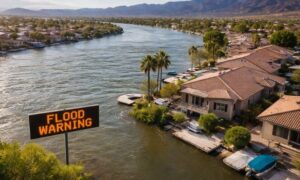
Las Vegas developments face unique conditions that make survey re-checks more common. The desert environment reacts quickly to weather, even when rain is infrequent. When storms do hit, runoff can reshape exposed land fast.
In addition, many sites sit near other active developments. When a neighboring parcel gets graded, drainage patterns can shift across property lines. Access points may change. Utility work nearby can affect elevations.
Because of these factors, long pauses raise red flags during plan reviews. Cities and engineers want confirmation that site data remains accurate before allowing work to continue.
Common Situations That Trigger Survey Re-Checks
Survey re-checks rarely happen without a reason. In most cases, one or more of the following events forces the issue.
Long construction pauses often top the list. If months pass between site work and restart, survey data may no longer reflect current conditions.
Financing delays also play a role. When lenders re-engage after a pause, they often require updated documentation, including site data.
Changes in ownership or project scope create similar pressure. New partners want accurate information before committing. Engineers may request updated measurements to reflect revised plans.
In each case, the need for a current topographic survey becomes unavoidable.
Re-Check or Full Survey: What Happens Next
Not every stalled project needs a full topographic survey from scratch. In some cases, surveyors can verify key areas and update limited sections. This approach works when changes are minor and localized.
However, when grading occurred or environmental conditions shifted significantly, a full update makes more sense. Surveyors evaluate site history, visible changes, and time elapsed to determine the right approach.
The goal stays the same either way: deliver data that reflects the site as it exists now, not as it once was.
How to Know If Your Project Needs Updated Survey Data
Before restarting construction, it helps to step back and assess the situation. Ask a few practical questions.
How long has the project been paused? Did any grading, trenching, or clearing happen before the stop? Have storms, runoff, or nearby development affected the site? Did the design or layout change during the delay?
If the answer to any of these raises doubt, a survey review makes sense. Talking with a licensed surveyor early allows you to plan rather than react.
Why Updated Surveys Protect Restarted Projects
A current topographic survey provides more than just numbers on a page. It aligns everyone involved in the restart.
Engineers can design with confidence. Contractors know what to expect. Inspectors see consistency between plans and site conditions. Lenders gain reassurance that risks are controlled.
Most importantly, updated data reduces surprises. When work resumes, teams move forward instead of stopping to fix avoidable problems.
Restarting Smart Saves Money
Stalled developments happen for many reasons, especially in fast-moving markets like Las Vegas. While pauses may feel frustrating, restarting without updated information creates bigger problems.
A topographic survey re-check is not about paying twice. It’s about protecting your investment during a critical transition. When projects restart with current data, they move faster, cost less, and face fewer setbacks.
In the end, the smartest restart begins with understanding the land as it truly is—right now, not months ago.