LiDAR mapping is becoming more important as new drone rules create uncertainty for surveyors across the country. Over the past few days, many drone pilots and mapping professionals have been talking about the December 23, 2025 deadline tied to DJI and federal rules. While drones are not being banned overnight, questions about new drone approvals, replacement parts, repairs, and long-term support are already changing how survey work gets planned.
For property owners, builders, and developers, this shift matters. When survey tools change, timelines and costs can change too. That is why LiDAR mapping is stepping in as a reliable backup. It helps surveyors keep projects moving, even when drone options feel uncertain.
What is causing the concern around drones
Today, many surveyors use DJI drones for aerial surveys. These drones take photos that are turned into maps and models. Recent news about federal reviews and the DJI “Covered List” has raised concerns about what happens next.
To be clear, surveyors can still fly their current drones. Licensed operators are not grounded. However, the concern is about the future. If a drone breaks, parts may be harder to get. New drone models may take longer to approve. Some projects may face new buying rules.
Because of this, surveyors are planning ahead. Instead of waiting for problems, they are choosing safer options now. As a result, many are using LiDAR mapping more often.
Why LiDAR mapping works as a backup plan

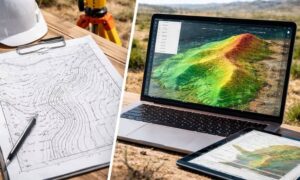
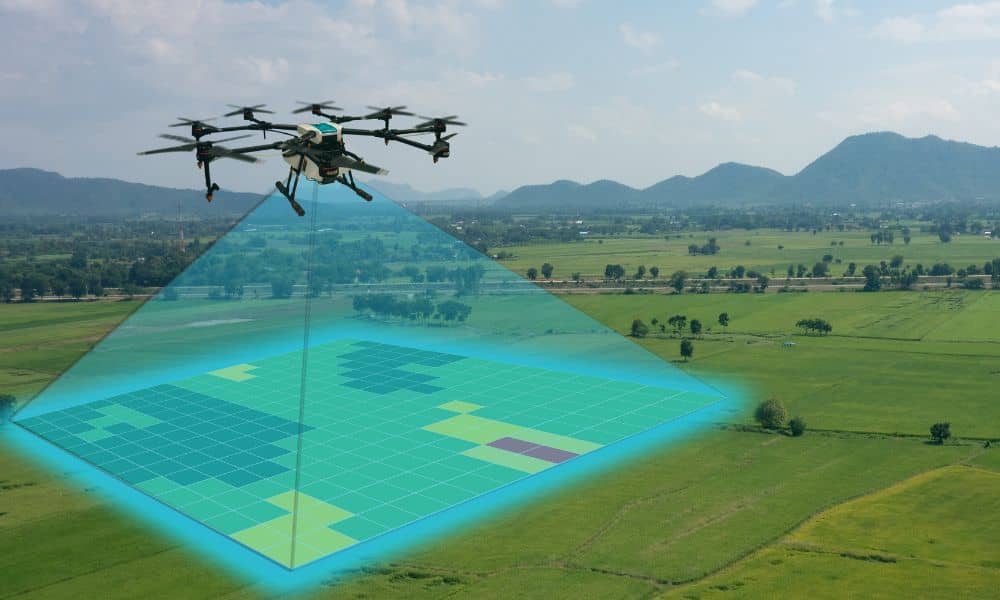
LiDAR mapping works differently than photo-based drone surveys. Instead of using only pictures, it sends out laser pulses to measure the ground. These pulses create a detailed map that shows surface changes and elevation.
This method works well because it is more steady. It does not depend on sunlight, shadows, or clear surfaces. Even in rough terrain or areas with brush, LiDAR still collects useful data.
Because of these benefits, surveyors trust LiDAR mapping when drone support or supply feels unsure. It lowers the risk of redoing work and helps deliver results on time.
Why this matters to property owners
You may wonder why survey methods matter to you. The reason is simple. Survey tools affect how fast a project moves and how accurate the results are.
In Laughlin, Nevada, mapping needs to stay steady all year. Property lines, grading plans, and flood-related questions near washes or the river often need careful study. When drone access feels uncertain, surveyors need a method they can rely on.
LiDAR mapping provides that reliability. It helps surveyors gather strong data without delays, which keeps your project on track.
How Laughlin’s terrain makes LiDAR a smart choice
Laughlin has desert ground, washes, and changes in elevation. These features can make photo-based surveys harder. Shadows, uneven land, and dry brush can affect photo results.
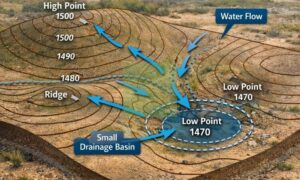
LiDAR mapping handles these conditions better. Since the laser pulses reach the ground directly, surveyors get cleaner elevation data. This helps with drainage plans, flood studies, and site design.
Because of this, many surveyors already use LiDAR. With new drone rules creating questions, its use continues to grow.
When surveyors suggest LiDAR instead of standard drone surveys
Surveyors do not suggest LiDAR mapping to increase costs. They suggest it when it fits the property and the project.
For example, LiDAR works well for lots with slopes, washes, or uneven ground. It also helps when timing matters and delays must be avoided. Since LiDAR often collects all needed data in fewer passes, it reduces the chance of return trips.
For property owners, this means fewer surprises later. The survey data is clear, reliable, and ready for planning.
How this shift affects cost and timing
Many clients worry about cost when they hear about new survey methods. In many cases, LiDAR mapping balances out costs over time. While prices may differ, it often saves money by reducing rework and delays.
Timing also improves. Since LiDAR captures detailed data in one pass, surveyors can finish work faster. This helps builders and owners move ahead with confidence.
As drone rules continue to change, surveyors who use LiDAR stay flexible. That flexibility benefits clients.
How to plan ahead for your next survey
If you plan to build, fence, or improve land, planning early helps. Schedule your survey sooner than you think you need it. Mapping demand remains high, and method changes can affect availability.
Also, trust your surveyor’s advice. If they suggest LiDAR mapping, ask how it helps your property. In most cases, the reason connects to accuracy and timing.
Surveyors adjust methods to protect your project. Their goal stays the same: provide clear data you can trust.
A reliable solution in changing times
Recent drone news does not mean aerial surveys are ending. Instead, it shows why backup options matter. LiDAR mapping gives surveyors a steady tool when other options feel uncertain.
For property owners, this means peace of mind. Whether your project is small or large, the right survey method keeps things moving.
As rules change and tools evolve, LiDAR mapping continues to stand out as a reliable way to move projects forward without delays.