
If you’ve followed tech news this week, you’ve probably noticed one clear trend: LiDAR is everywhere. That’s no coincidence. CES 2026 is happening right now in Las Vegas, and for the first time, LiDAR technology isn’t limited to self-driving car demos. Instead, it’s showing up across industries that rely on accurate land and elevation data. What makes this moment especially important is how directly it connects to real projects here at home. As global attention turns to LiDAR, interest in LiDAR mapping across Nevada is rising fast — and for good reason.
CES 2026 Marked a Turning Point for LiDAR
CES always introduces new technology. However, CES 2026 feels different. Instead of prototypes, companies are rolling out production-ready LiDAR systems built for real-world use.
Several major manufacturers announced major production increases, live demonstrations, and new sensor designs. That shift matters. Companies don’t scale manufacturing unless demand already exists.
Because CES is hosted, Nevada naturally became the stage for this shift. As a result, conversations quickly moved from future ideas to how LiDAR mapping is being used today, especially in places with challenging terrain and large development zones.
Why LiDAR Now Matters Beyond Cars
For years, most people associated LiDAR with autonomous vehicles. While that use remains important, CES 2026 showed how much broader the technology has become.
Today, LiDAR supports:
- Land and surface mapping
- Infrastructure planning
- Elevation and flood modeling
- Robotics and automation
- Environmental monitoring
As a result, LiDAR mapping has moved from a niche service to a core planning tool. This shift explains why interest in LiDAR mapping continues to grow.
Nevada’s landscape demands accurate data. Large desert sites, uneven terrain, and flood-prone zones all require more than basic mapping. LiDAR delivers that detail quickly and safely.
What CES Announcements Reveal About Modern Mapping
This year’s CES announcements weren’t just impressive — they were practical.
One major LiDAR manufacturer announced plans to double its production capacity. That tells us the market is ready. More sensors mean lower costs, faster turnaround times, and wider access for surveying and mapping projects.
Another company showcased live autonomous mapping vehicles. These systems capture roads and surrounding terrain in real time, which directly supports roadway planning and corridor studies.
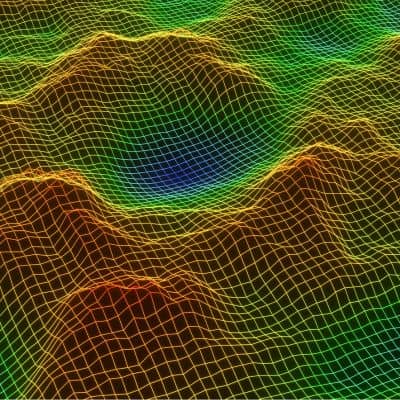
Meanwhile, newer LiDAR sensors are becoming smaller and more accurate. That improvement leads to cleaner elevation data and better surface models, which are essential for site design.
Together, these updates show why LiDAR mapping throughout Nevada is becoming a preferred approach rather than a specialty option.
Why Nevada Benefits More Than Most States
Nevada presents unique challenges that make LiDAR especially valuable.
First, land parcels are often large. Surveying these areas using only ground methods takes time and manpower. LiDAR captures broad areas efficiently without sacrificing accuracy.
Second, terrain varies widely. From flat desert valleys to rocky slopes, elevation changes can affect drainage, grading, and construction planning.
Third, development continues to expand across the Las Vegas metro area. Faster mapping helps projects move forward while reducing costly delays.
Because of these factors, using LiDAR for mapping isn’t just about speed — it’s about smarter planning.
How LiDAR Mapping Changes Client Expectations
CES 2026 didn’t just showcase technology. It changed expectations.
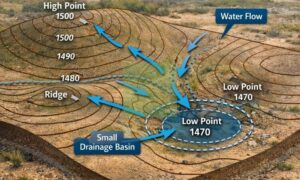
Clients now expect detailed surface data early in the planning process. They want to see elevation changes, identify drainage paths, and reduce surprises before construction begins.
LiDAR mapping helps meet those expectations by delivering:
- Clear elevation models
- Accurate surface data
- Reduced site visits
- Better design decisions
However, LiDAR doesn’t replace licensed land surveyors. Instead, it supports their expertise by providing high-quality data that improves analysis and planning.
That balance between technology and professional judgment is why LiDAR mapping continues to gain trust.
From the CES Floor to Nevada Job Sites
It’s easy to think that CES technology stays on the show floor. This year proved otherwise.
Many of the systems introduced at CES are already being integrated into surveying and engineering workflows. In Nevada, that means:
- Faster feasibility studies
- Better topographic models
- Stronger flood analysis
- Improved project confidence
As the host city, Las Vegas isn’t just observing this shift. It’s helping lead it.
Why This Moment Matters for Nevada Projects
CES 2026 arrived at a time when development pressure, infrastructure upgrades, and environmental risks are all increasing.
LiDAR mapping meets those challenges by delivering accurate spatial data quickly. That’s why it earned national attention this year — and why LiDAR mapping is becoming part of standard planning conversations.
Looking Ahead
CES 2026 didn’t just spotlight new devices. It confirmed a shift in how land gets understood.
As LiDAR systems become more accessible and precise, they will shape how projects are planned and built. For Nevada, this technology fits the landscape better than most.
In the years ahead, LiDAR mapping won’t feel new. It will feel necessary.