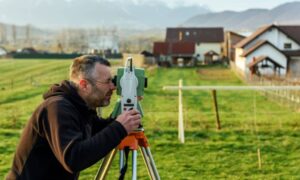
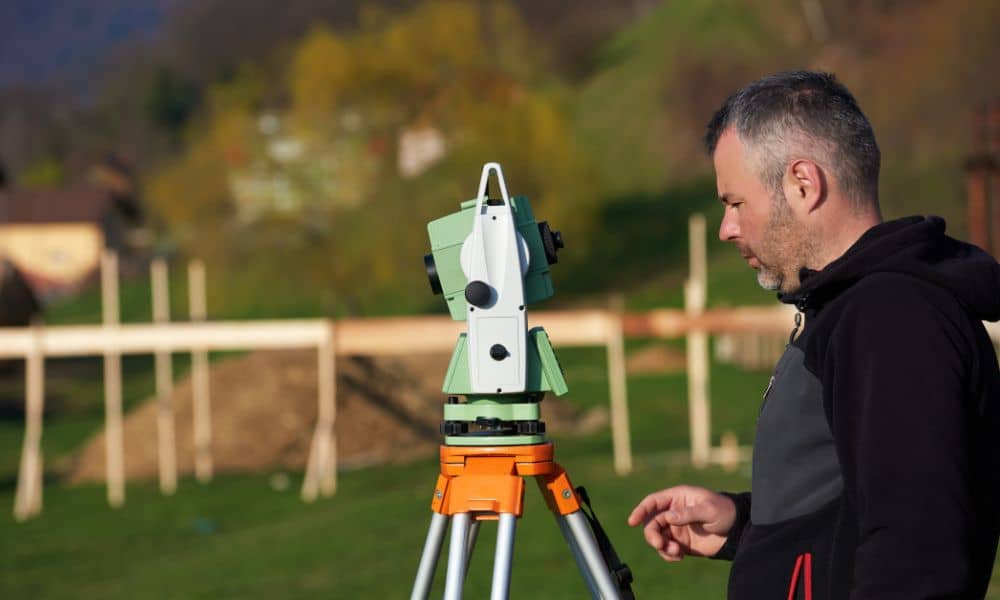
If you plan to build a fence, add a room, or install a block wall, one step matters more than most homeowners realize: checking your property line survey. In North Las Vegas, where homes often sit close together and lots are tight, even a small mistake can cause big problems.
Many property disputes start with good intentions. Homeowners assume the fence line is correct, trust an old wall, or rely on online maps. However, these shortcuts often lead to costly errors. That is why taking time to verify your property line before building helps protect your money, your peace of mind, and your relationship with your neighbors.
Why Property Line Mistakes Are Common in North Las Vegas
North Las Vegas includes older neighborhoods, planned communities, and new developments. Because of this mix, property lines are not always easy to spot. Over time, fences shift, walls get rebuilt, and original survey markers disappear.
In addition, many homeowners add features like RV gates, driveway extensions, patios, and backyard walls. These upgrades usually happen close to property edges, where even a few inches can matter. As a result, small mistakes can quickly grow into major disputes.
Although it may seem safe to trust what you see, appearances can be misleading. That is why verifying your property line survey becomes very important before starting any permanent construction.
The Most Common Places Homeowners Build in the Wrong Spot
Some parts of a property have a higher risk for boundary mistakes. If your project touches any of these areas, extra care is needed.
Fences cause the most problems. Many are installed based on guesswork or neighbor agreements instead of real measurements. Block walls come next, especially in backyards. Driveway extensions, air conditioning pads, storage sheds, patio slabs, and room additions also create frequent boundary issues.
Most of these features sit close to property lines. Because of that, even small errors can place part of a structure on your neighbor’s land. Once concrete is poured or walls are built, fixing mistakes becomes costly.
Why Old Fences and Walls Cannot Be Trusted
Homeowners often say, “That fence has always been there,” or “The builder installed it, so it must be right.” However, age and origin do not always mean accuracy.
Builders often estimate fence placement to save time. Contractors may guess instead of measure. Past owners sometimes avoid survey costs and take shortcuts. Over time, these guesses become accepted as fact, even when they are wrong.
Soil movement, landscaping, and home upgrades can also shift walls and markers. Because of this, fences that once lined up well may no longer match true boundaries. This is why relying on old structures instead of a verified property line survey often leads to problems.
A Simple Reality Check Before You Build
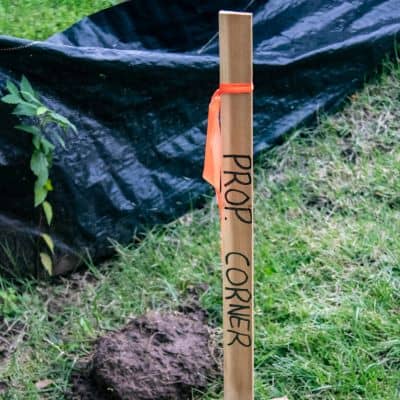
Before ordering a survey, homeowners can do a simple check on their property. While this does not replace a professional property line survey, it helps spot warning signs.
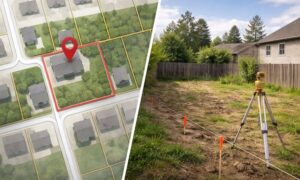
Start by looking for property corner markers. These may appear as metal pins, capped pipes, or small metal rods near the corners of your lot. Many times, landscaping, concrete, or walls cover them. If you cannot find these markers, that is an early sign of risk.
Next, walk along your fence and compare it with nearby homes. Do the fences line up straight, or do they shift suddenly? Does your driveway match your neighbor’s, or does it angle differently? Odd spacing often shows guesswork.
Then, look for small encroachments. Neighbor fences, shared walls, roof edges, retaining walls, and utility pads may cross property lines without notice. These small overlaps can create big problems later.
Finally, notice utility features like power boxes, water meters, overhead lines, and drainage areas. These often point to easements. Even though this land belongs to you, building limits usually apply. If your project touches these areas, a professional survey becomes important.
How Small Errors Can Turn Into Big Legal Problems
A recent viral boundary dispute showed how a fence built just inches over the property line caused years of legal trouble. What started as a simple project turned into court cases, high legal costs, and forced changes.
While extreme cases make headlines, smaller ones happen every day. In North Las Vegas, problems often begin during fence installations, driveway expansions, or room additions. Once neighbors question boundaries, stress rises, costs grow, and work slows down.
Checking your property line survey before building helps avoid these problems and keeps projects moving smoothly.
When Guessing Is No Longer Safe and a Survey Is Needed
While visual checks help, some situations require a professional survey.
If you cannot find corner markers, boundary accuracy becomes uncertain. If your project is within three feet of a property line, risk increases. Neighbor concerns also point to the need for clear measurements. Projects involving walls, room additions, pools, or driveway changes near side yards also deserve careful checking.
In these cases, guessing becomes dangerous. A professional survey gives clarity, protection, and confidence.
Why Verifying First Saves Time, Money, and Stress
Some homeowners skip surveys to save money. However, this often leads to higher costs later. Removing and rebuilding walls, tearing out concrete, or redesigning driveways costs far more than a survey.
Permit delays can also create problems. If inspectors find boundary issues, projects may stop for weeks. Neighbor complaints may lead to inspections, redesigns, and legal stress. All of this turns a simple upgrade into a major headache.
On the other hand, verifying your property line survey early protects your budget, timeline, and peace of mind. Instead of fixing mistakes, you move forward with confidence.
Build With Confidence
Every home project should increase your property’s value, not add risk. Whether you plan a new fence, backyard wall, or room addition, knowing exactly where your land begins and ends makes everything easier.
A verified property line survey provides clarity and legal protection. Instead of guessing, you build with accuracy and confidence.
If you plan to build, checking your property boundaries first ensures your project stays smooth, stress-free, and protected from start to finish.