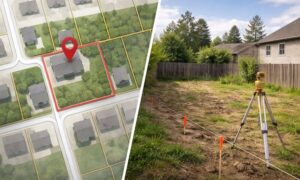
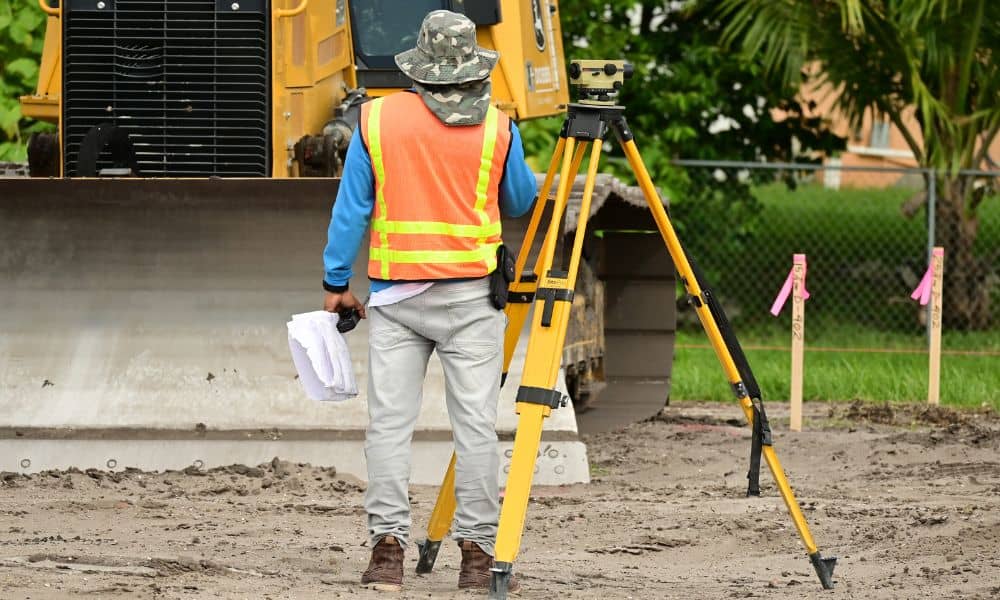
Most people think land surveying looks simple. A truck pulls up. Someone walks around with tools. They place a few wooden stakes in the ground. Then they leave. From the outside, the job looks quick and easy. However, the real work starts long before the first stake touches the soil. Behind every accurate boundary mark stands a licensed land surveyor solving problems most clients never see. From confusing records to broken tools and tense neighbor disputes, surveyors handle challenges that need skill, patience, and experience. So before you think your survey should take only a few minutes, let’s step behind the stakes and see what truly happens.
The Big Myth: “They Just Measure the Land”
Many people believe land surveying only means measuring distance and marking corners. While measuring matters, it only makes up part of the job.
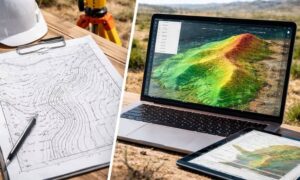
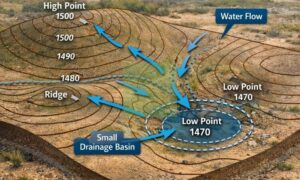
First, a licensed land surveyor studies property records, old maps, and past surveys. They also review legal descriptions and land history. Only after this research can fieldwork begin. Even then, they check evidence, test measurements, and confirm accuracy.
Think of it like baking a cake. You don’t just mix random items and hope it works. Instead, you follow steps, prepare carefully, and pay attention to details. In the same way, surveying depends on planning and careful work.
Because of this, what looks simple often hides serious effort underneath.
What Surveyors Face in the Field
Every survey brings new challenges. Some jobs move smoothly. Others feel like solving a puzzle with missing pieces.
Many property records date back decades. Some show faded writing. Others use hand-drawn sketches. Many include unclear directions or missing details. Because of this, a licensed land surveyor must compare many records, study legal descriptions, and search for physical markers to find the true boundary. This work needs careful thinking because even a small mistake could move a property line by inches or feet. Although clients rarely see this effort, it forms the base of accurate surveying.
Modern surveying uses advanced tools like GPS systems, robotic devices, and digital data collectors. While this technology improves accuracy, it also brings challenges. Batteries fail. Software freezes. Signals drop. When this happens, surveyors do not guess. Instead, they reset tools, recalibrate equipment, and repeat measurements until the numbers match. Even though this takes time, accuracy always comes first. Rushed work often leads to costly mistakes.
Boundary disputes create stressful moments. Neighbors may argue or feel upset when property lines come into question. During these times, a licensed land surveyor stays calm, fair, and professional. They rely on facts, measurements, and legal rules instead of opinions or emotions. Their goal stays clear: find the true boundary and record it correctly.
Why Survey Mistakes Cost So Much
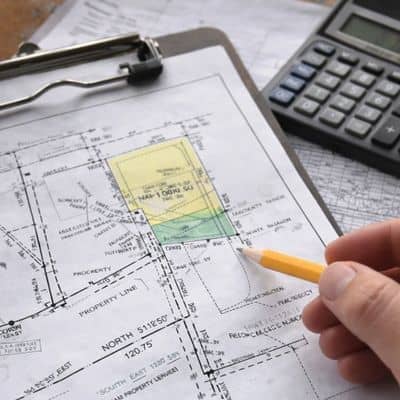
Survey errors often lead to serious financial problems. A wrong boundary can cause fence removal, building delays, legal fights, and loss of property value.
Because of this, surveyors carry heavy responsibility. Their work must stand up in court, support loan approvals, and protect property owners.
For that reason, a licensed land surveyor checks measurements several times. They confirm distances, review numbers, and compare records before final results. While clients only see wooden stakes, those markers represent hours of careful work.
Why Licensing Makes a Big Difference
Not all surveyors have the same training. A licensed land surveyor completes years of education, passes strict exams, and gains hands-on experience before earning certification.
Licensing proves the surveyor understands property laws, boundary rules, measurement methods, and legal responsibility. Because of this training, licensed professionals deliver results courts, lenders, and builders trust. Without licensing, surveys may not carry legal weight, which can cause serious trouble later.
Simply put, licensing turns skill into trust.
Why Fences Rarely Match Property Lines
Many homeowners feel shocked when surveys show fences crossing property lines. However, this happens more often than most people expect.
Over time, fences move. Past owners may guess boundary spots. Builders sometimes estimate layouts. Landscaping can also shift markers. Because of this, physical features often fail to match legal boundaries.
A licensed land surveyor follows strict rules to find true lines. They trust legal records, plats, and field evidence instead of guesswork. Although this process may surprise people, it protects everyone involved.
Why Surveys Take More Time Than Expected
Many clients wonder why surveys take days or even weeks. The answer lies in the level of care needed.
Before fieldwork begins, surveyors research deeds, plats, and land history. They also study zoning rules, easements, and legal boundaries. After measuring, they still process data, adjust numbers, draw maps, and review details.
Each step helps avoid disputes, delays, and surprise costs. Therefore, speed never replaces accuracy.
What This Means for Homeowners, Builders, and Buyers
Understanding surveying challenges helps people see its value.
For homeowners, a licensed land surveyor prevents costly mistakes before building fences, walls, pools, or room additions. Clear boundaries protect property and reduce conflict.
For builders, accurate surveys ensure correct layout, smooth construction, and safe staking. This accuracy saves time, avoids rework, and protects budgets.
For buyers, surveys support clean closings and lower legal risk. They confirm boundaries, show encroachments, and reveal easements before money changes hands.
In each case, surveying protects both money and peace of mind.
When You Should Always Hire a Licensed Land Surveyor
Some situations always need professional surveying. These include building fences or walls, adding room expansions, buying or selling property, dividing land, starting construction, and solving neighbor disputes.
In each case, early surveying prevents bigger problems later.
The Real Meaning Behind Survey Stakes
Those small wooden stakes may seem unimportant. Yet each one stands for careful research, advanced tools, professional judgment, and legal duty.
Behind every marker stands a licensed land surveyor who solved problems you never saw. They protected property rights, avoided disputes, and secured investments.
So next time you see survey stakes in your yard, remember this: they mark more than boundaries. They show expertise, accuracy, and trust.