Las Vegas keeps growing. New homes, new roads, and new businesses appear across the valley each year. As a result, many people now look at vacant land as a good investment. Some buyers want to build a home. Others plan to hold the property for future value. Either way, buying land can feel exciting. However, land purchases come with risks that many buyers do not see right away. Vacant land does not show clear boundaries like a house lot with fences and driveways. A property might look simple, yet the true lines could sit somewhere else. Because of that, one of the smartest steps before buying land involves ordering a lot survey.
A lot survey helps buyers understand exactly what they are purchasing. It shows the real limits of the property and reveals problems that could cause trouble later.
Why More People Are Buying Land in Las Vegas
Las Vegas continues to expand as new neighborhoods spread across the valley. Developers build new communities. Investors search for land before prices rise. Meanwhile, some buyers hope to build custom homes outside crowded neighborhoods.
Because of this growth, vacant parcels often attract strong interest.
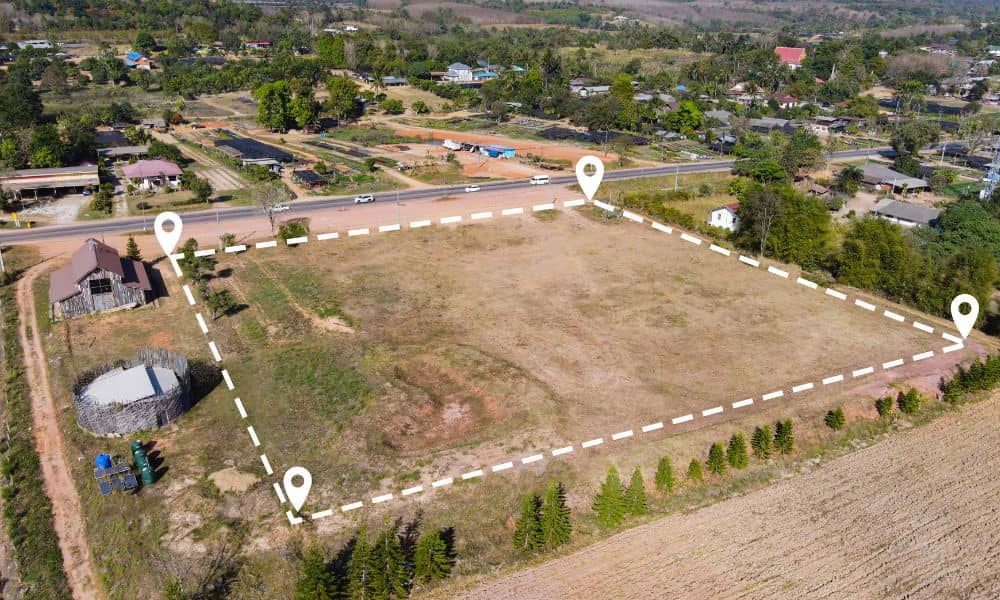
At first glance, land purchases may seem simple. Buyers see open space and imagine building plans right away. However, land does not always come with clear markers. In fact, property corners may sit under dirt, vegetation, or pavement.
Without proper verification, buyers may rely only on maps or property descriptions. Unfortunately, those sources may not show the full story. Many buyers only realize why a lot survey matters before buying land after they start asking where the real property lines actually sit.
Therefore, buyers need a way to confirm what they truly own. That is where a lot survey becomes important.
What a Lot Survey Shows
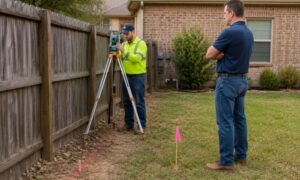
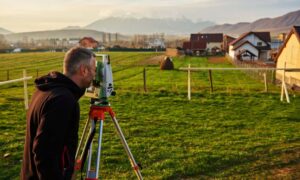
A lot survey measures and maps a piece of land. A licensed surveyor studies the legal property description and then visits the site to verify the boundaries. The surveyor checks corner markers, takes measurements, and compares the findings with official records.
Afterward, the survey produces a map that shows the exact property lines.
This map often includes:
- Boundary lines
- Property corners
- Fences or structures near the edges
- Easements for utilities
- Access areas such as roads or driveways
As a result, the buyer gains a clear picture of the parcel.
Without this information, property lines may stay uncertain.
Vacant Land Often Hides Boundary Problems
Many people assume that a property listing tells the full story. Unfortunately, listings do not always reveal boundary issues.
For example, a neighboring fence may sit several feet inside the parcel. A driveway might cross the property line. Sometimes utility companies hold easements that limit where buildings can go.
Because vacant land lacks visible markers, these problems can stay hidden for years.
Later, the buyer may discover the issue while planning construction or installing a fence. At that point, fixing the problem could cost time and money.
However, a lot survey helps identify these issues early.
Why Buyers Should Order a Lot Survey Before Closing
Buying land involves many steps. Buyers review price, location, and zoning rules. They also check taxes and access to roads. Yet some people skip the survey step because they want to move faster.
That decision can lead to trouble.
A lot survey allows buyers to verify the property before money changes hands. The survey confirms that the parcel matches the legal description. It also reveals any conflicts with neighboring properties.
For example, the survey may show:
- A neighbor’s fence crossing the boundary
- An access easement through the property
- Property corners placed in unexpected locations
Because of this information, buyers can make better decisions.
Sometimes the survey may even help during negotiations. If the property has issues, the buyer may ask the seller to resolve them before closing.
Builders and Developers Always Start With a Lot Survey
Developers rarely buy land without proper survey data. Construction depends on accurate measurements. Builders must know exactly where the property lines sit before placing foundations, driveways, or utilities.
Otherwise, a building could cross into another property.
That mistake can cause legal disputes and expensive fixes.
Therefore, professionals rely on surveys before starting construction. A lot survey gives them the confidence to plan projects correctly.
Homeowners benefit from the same protection. Even if a buyer plans to build years later, the survey helps confirm that the land works for future plans.
Common Situations Where a Lot Survey Helps
Although surveys help during most land purchases, some situations make them even more important.
For example, buyers should strongly consider a survey when:
- Purchasing vacant residential land
- Buying property in a new development area
- Planning future construction
- Seeing no clear boundary markers on the property
- Buying land near neighboring fences or structures
In each case, the survey provides clarity.
Instead of guessing where the boundaries sit, buyers can rely on accurate measurements.
How a Surveyor Confirms the Property Lines
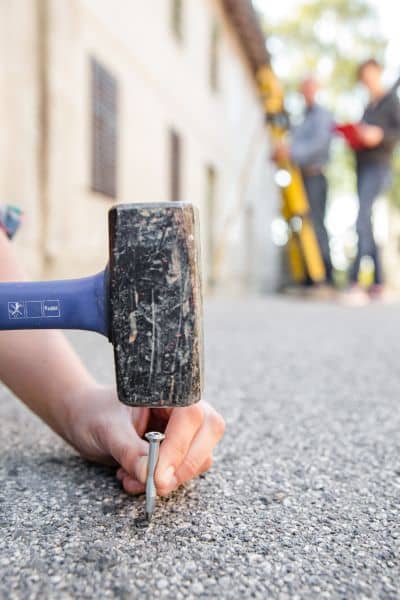
Surveyors use specialized tools and historical records to measure land accurately. First, they review the legal description recorded with the property. Then they search for existing corner markers in the field.
Next, they take measurements between those points. Modern equipment helps them achieve precise results.
After completing the fieldwork, the surveyor prepares a detailed map. This document shows the boundaries and important features of the land.
Because the map reflects real measurements, it becomes a reliable guide for property owners.
Peace of Mind Before You Buy
Buying land can open the door to great opportunities. Some buyers plan to build homes. Others hope to invest as the city continues to grow.
However, land purchases require careful planning.
A lot survey helps buyers understand exactly what they are buying before the deal becomes final. It confirms boundaries, identifies encroachments, and reveals easements that could affect future plans.
Most importantly, it prevents surprises after the purchase.
In the end, a survey brings clarity and confidence to the process. Before purchasing land, taking this step can protect both the investment and the buyer’s long-term plans.