A viral land dispute story spread fast this week. People shared it, argued about it, and took sides. At the center of the conflict sat one quiet document: a boundary line survey. The story did not go viral because of land size or money alone. Instead, it exploded because two people felt 100% sure the land was theirs. Then proof showed up, and everything changed.
Stories like this hit a nerve. Most property owners believe they know where their land begins and ends. Fences stand. Trees grow. Driveways stay in place for years. Because of that, many assume the lines must be right. However, this viral dispute proved how fast that belief can fall apart.
A Simple Dispute That Turned Public
At first, the situation looked normal. Two neighbors disagreed over where one property ended and the other began. Nothing about that sounds rare. These disagreements happen quietly every day. Most never leave the neighborhood.
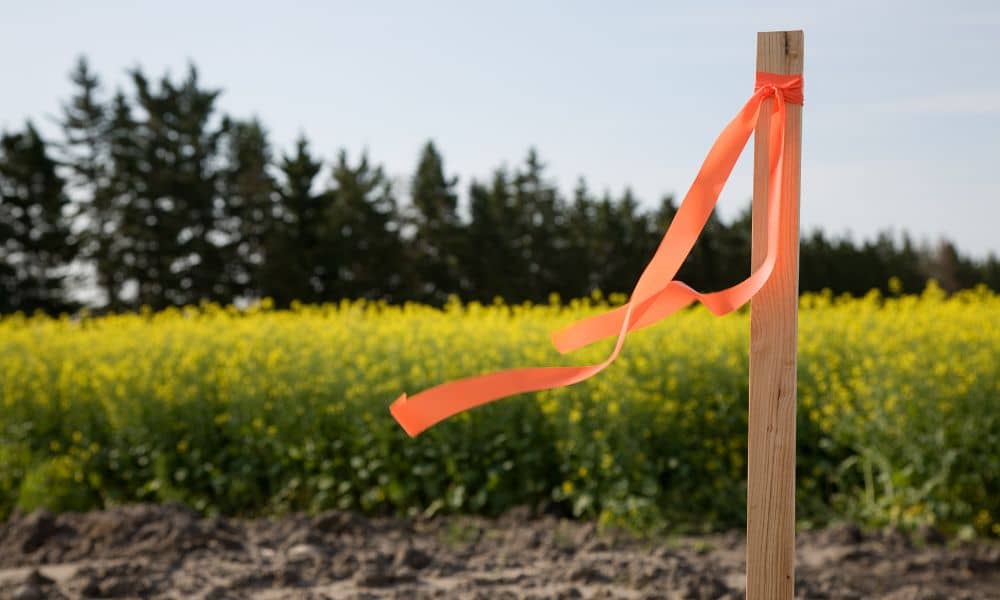
This one did. Someone shared photos online. The images showed stakes, paint, and a clear line cutting across what one owner believed was their yard. Comments poured in. People argued about fairness, common sense, and history. Many said, “I would be furious.” Others said, “That can’t be right.”
Then the reason became clear. One owner relied on memory and long-term use. The other relied on a boundary line survey. Once that survey entered the picture, opinions shifted, but emotions stayed high. That contrast pushed the story into viral territory.
Why These Stories Spread So Fast
Land disputes trigger strong reactions because land feels personal. A home sits on it. Families grow on it. Years of effort connect people to it. When a line challenges that connection, emotions rise fast.
Also, these stories feel relatable. Many readers think, “This could happen to me.” They picture their own fence or driveway. Because of that, they share the post, comment, and debate.
Social media loves clear visuals. Painted lines, metal stakes, and maps tell a simple story at a glance. Even without full context, people form opinions quickly. Unfortunately, quick opinions often ignore one thing: proof matters more than belief.
Confidence Feels Like Proof, Until It Isn’t
One reason this story struck a chord lies in confidence. Both sides felt sure. One owner said the land had been used that way for years. Neighbors agreed. Nothing ever caused a problem before.
However, time does not change legal boundaries. Use does not equal ownership. When a boundary line survey enters the scene, it does not care about feelings or habits. It follows records, measurements, and physical evidence.
That moment creates shock. People feel blindsided, even betrayed. They think, “How can this be wrong when it always looks right?” That emotional gap fuels anger and disbelief, which the internet amplifies.
The Role of a Boundary Line Survey in the Story
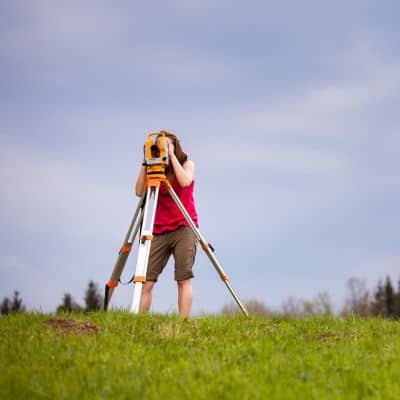
The boundary line survey did not start the dispute. Instead, it revealed it. The issue already existed. It stayed hidden because no one questioned it.
Once the survey appeared, it provided clarity. It showed where the legal line truly sat. At that point, the argument shifted from opinion to fact. One side gained certainty. The other lost it.
That shift explains why the story caught fire. People do not like moments where reality challenges long-held belief. When that happens publicly, reactions grow even stronger.
Why These Disputes Appear More Often Now
Stories like this seem more common today. Several factors play a role.
First, property changes hands more often. New owners ask questions old owners never did. Second, land use grows tighter. Small differences matter more when space feels limited. Third, people move faster. They build, fence, or landscape before verifying details.
At the same time, modern surveying tools find issues older methods missed. That does not create problems. It exposes them. As a result, disputes that stayed quiet for decades now come to light.
When they do, the internet watches.
The Hidden Cost of Going Viral
A viral dispute costs more than money. Once a story spreads, control disappears. Strangers comment. Opinions harden. Embarrassment grows.
Even if the issue resolves later, screenshots live on. Future buyers, neighbors, or partners may see the story. Stress increases. Trust breaks down.
All of this started because verification came too late. A boundary line survey early on keeps problems private. A survey after emotions rise often turns clarity into conflict.
What This Story Teaches Property Owners
The lesson does not focus on blame. It focuses on timing.
Assumptions feel safe until proof arrives. Silence feels like agreement until someone checks. Viral land disputes show the final stage of a long chain of small choices.
A boundary line survey works best before strong opinions form. It answers questions early, quietly, and clearly. When that happens, there is nothing to argue about and nothing to share online.
The Quiet Power of Knowing the Line
Most boundary line surveys never make headlines. They do their job and fade into the background. That is success.
The viral story from this week shows the opposite. It shows what happens when certainty arrives late and publicly. Emotions rise. Conflict spreads. Stress follows.
Clear boundaries protect more than land. They protect relationships, plans, and peace of mind. While the internet reacts to dramatic disputes, the real win happens when disputes never start.
Final Thought
The viral land dispute everyone shared this week did not happen because of bad neighbors or bad intentions. It happened because belief stood in for proof for too long.
A boundary line survey rarely feels urgent until it is missing. By then, the story may already be public. The quiet choice to verify early often prevents the loud problems later.
Sometimes, the most important line is the one you confirm before anyone argues about it.